
What Are The Materials Used in Professional French Polishing?
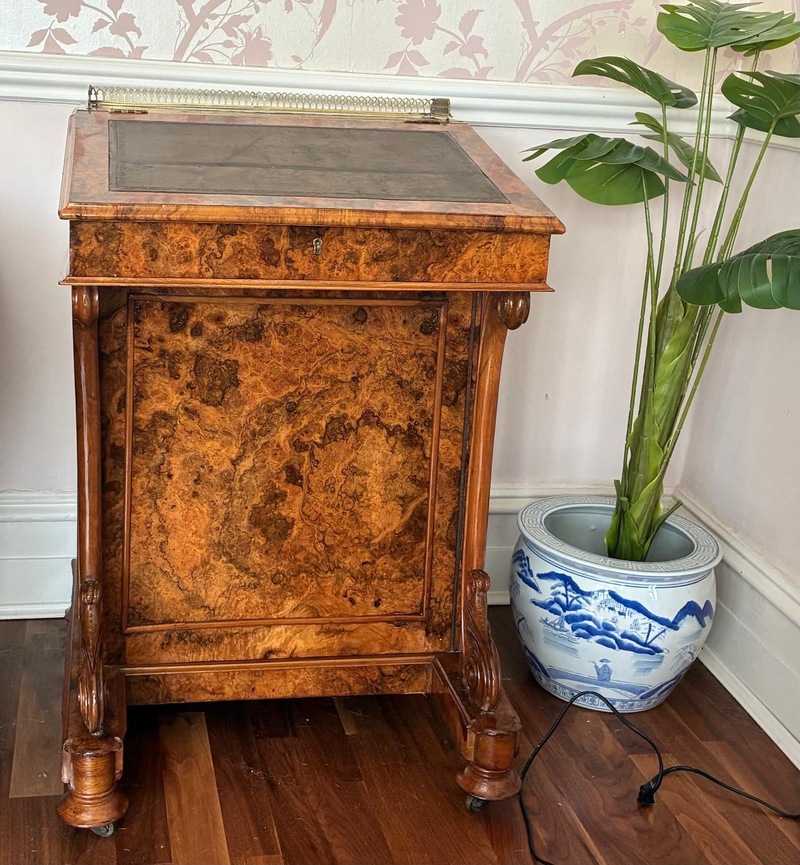
London’s streets are lined with architectural treasures that tell the story of the city’s rich and varied past. From the elegant Georgian squares of Mayfair to the grand Victorian terraces of Notting Hill and the Arts and Crafts influences found in Hampstead, the capital’s period properties are defined by their characterful woodwork, original features, and timeless craftsmanship.
For owners of these historic homes, maintaining authentic interior finishes is about far more than simple upkeep. It is about preserving a legacy, respecting the materials and methods of a bygone era, and ensuring that the soul of the property remains intact for future generations to appreciate.
This is why discerning homeowners continue to seek out specialist craftsmen who understand the unique requirements of period properties and the traditional techniques that best enhance their beauty. When it comes to achieving finishes that are both historically accurate and visually stunning, French polishing London remains the trusted choice for those who refuse to compromise on quality or authenticity.
Why Period Properties Require Specialist Finishing
Period properties possess an inherent charm that is often expressed through their intricate wooden details. The sweeping staircases in Victorian villas, the solid mahogany doors in Georgian townhouses, and the delicate cabinetry found in Edwardian interiors are all features that demand sympathetic treatment.
These elements were originally finished using time-honoured techniques that highlighted the natural beauty of the timber, allowing it to develop a rich patina over decades of careful use. This gradual ageing process is part of what gives period homes their unique character, and any restoration work must respect and preserve this quality.
Modern finishing methods, which often rely on quick-drying sprays and synthetic sealants designed for speed and uniformity, are rarely suitable for period woodwork. Older timbers have different characteristics to modern materials, having been sourced from ancient woodlands and seasoned over many years. They breathe and react to environmental changes in ways that synthetic coatings cannot accommodate.
Applying the wrong finishes can trap moisture, cause cracking, or leave irreplaceable woodwork looking flat and lifeless. Specialist finishing requires an intimate understanding of how historic wood behaves, how previous finishes have aged, and how to enhance the material without stripping away its inherent character. This depth of knowledge is exactly what experienced craftsmen bring to every project they undertake.
The Role of French Polishing in Heritage Interiors
French polishing is a revered craft that dates back to the 18th century, and it remains the definitive technique for achieving a deep, mirror-like shine on fine wood. Unlike sprayed lacquers that simply sit on the surface, French polishing involves applying multiple coats of shellac using a specialised rubbing pad.
This meticulous process builds up a finish that becomes integrated with the wood itself, enhancing rather than masking its natural qualities. The technique requires patience, skill, and a deep understanding of materials, which is why it has been passed down through generations of master craftsmen.
For heritage interiors, the benefits of this traditional approach are unparalleled. French polishing enhances the natural grain depth and figure of timbers such as mahogany, walnut, rosewood, and teak, imparting a warmth and luminosity that synthetic finishes simply cannot replicate.
The technique allows the wood to retain its tactile quality and rich colour, ensuring that a restored dining table, staircase, or piece of cabinetry complements the timeless elegance of a London period home. At Frenchtell Polishers, this traditional method is employed with great care and attention to detail, ensuring that every piece receives the authentic treatment it deserves. The craftsmen understand that true restoration is about revealing the wood’s inner beauty, not concealing it beneath a plastic-like coating.
Common Mistakes with Modern Finishes in Older Homes
In an attempt to refresh tired interiors quickly and cost-effectively, some homeowners make the mistake of opting for modern spray lacquers or polyurethane coatings. While these finishes might offer the perception of durability and a uniform appearance, they often look incongruous in a period setting.
Synthetic coatings tend to create a barrier that obscures the wood’s natural texture and prevents it from breathing properly. They can appear too uniform and lifeless, lacking the subtle depth and reflective qualities of a traditional polish that has been built up slowly over multiple applications.
Furthermore, these modern finishes are not always reversible or compatible with the original coatings found in older homes. Applying them can lead to adhesion problems, cracking, or an unsightly cloudy appearance over time as the materials react differently to temperature and humidity changes.
In listed buildings, using the wrong materials can even lead to compliance issues, as preserving the historic character is often a legal requirement. The quick fix of a modern coating frequently results in a finish that fights against the very soul of the property rather than enhancing it, potentially diminishing both the aesthetic appeal and the monetary value of the home.
Why Homeowners Choose French Polishing London Specialists
Navigating the care of a period property requires more than just technical skill. It requires a deep appreciation for London’s diverse architectural styles and the specific finishing techniques that are appropriate for different eras.
Homeowners choose French polishing London specialists because these craftsmen possess an intimate knowledge of the materials and methods that best suit their particular property. Specialists like those at Frenchtell Polishers bring over 55 years of combined experience to every project, understanding that a Georgian dining table requires a different approach than a set of Victorian internal doors or a mid-century teak sideboard.
These experts offer a tailored service that begins with a careful assessment of the wood and its existing finish. They can colour-match and blend repairs seamlessly, ensuring that any restoration work is invisible to the naked eye.
Whether dealing with heat marks on a mahogany chest of drawers, water damage on a cherished dining table, or the restoration of a complete set of antique dining chairs, these professionals apply the same meticulous care and attention to detail. Their work not only restores beauty but also protects the wood against future damage from humidity and sunlight, prolonging the life of the furniture and adding long-term value to the property. The glowing reviews left by satisfied customers across London testify to the exceptional craftsmanship and customer service that these specialists provide.
Conclusion
For owners of London’s period properties, the choice of finish is a decision that impacts both the beauty and the integrity of their home for years to come. While modern coatings may promise convenience and speed, they often fail to deliver the authenticity and warmth that a heritage interior truly deserves.
Traditional French polishing remains the trusted choice for preserving the elegance of original woodwork, enhancing its natural beauty, and ensuring it stands the test of time. By trusting skilled craftsmen who understand the nuances of this historic technique, homeowners can protect their investment and ensure their interiors remain timeless for generations to come.
Whether restoring a single cherished piece of antique furniture or undertaking the complete refurbishment of a period property’s woodwork, the choice of a specialist who values tradition and quality above all else is one that will be rewarded with results of enduring beauty and distinction.